Choosing the right toy for your child isn’t just about fun—it’s also about safety. Every year, millions of children play with toys, and while most are safe, accidents can happen if parents are unaware of potential hazards. Understanding what makes a toy safe, age-appropriate, and high-quality can prevent injuries and ensure playtime is both fun and secure.
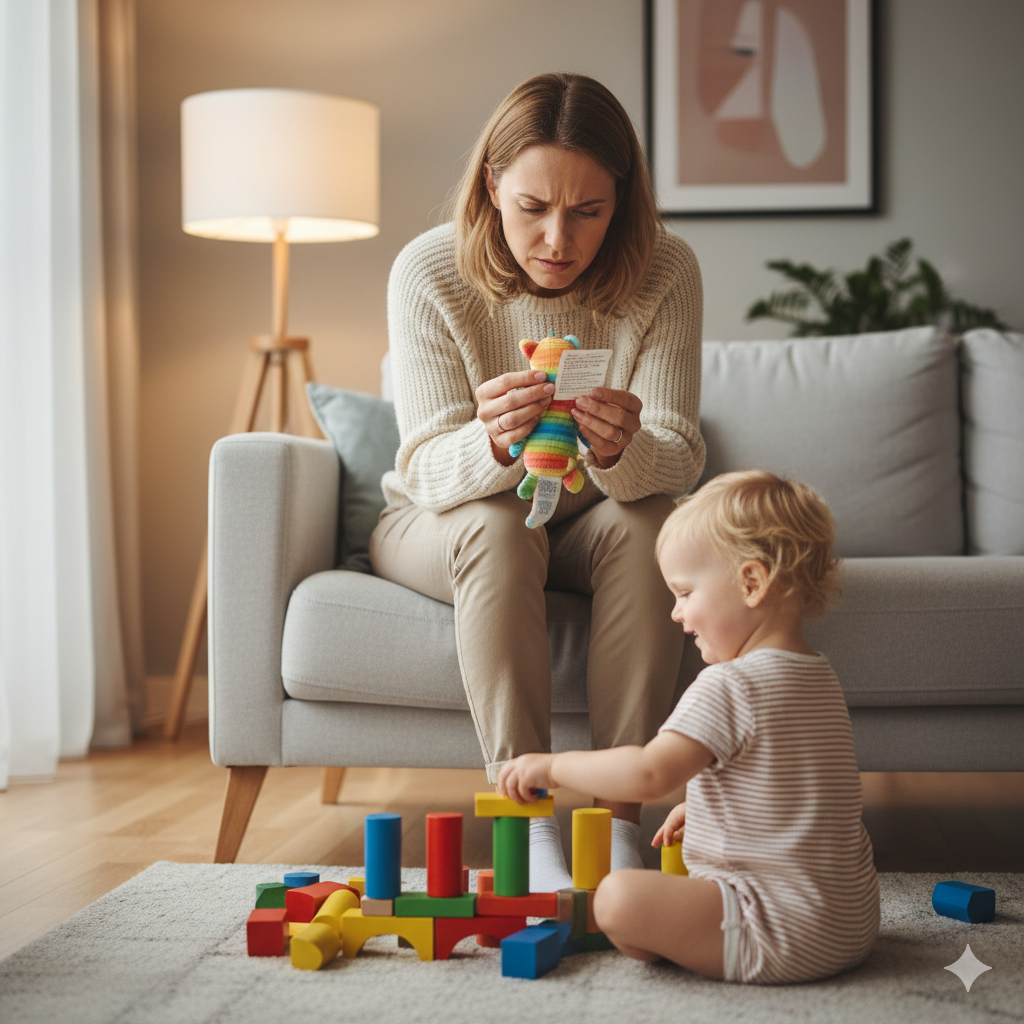
In this guide, we’ll walk you through essential tips for selecting safe toys, common hazards to avoid, and best practices to protect your child during play.
Why Toy Safety Matters
Children explore the world through play. Toys help them develop cognitive, physical, and social skills. However, unsafe toys can pose risks such as:
- Choking hazards
- Toxic chemicals or unsafe materials
- Sharp edges or small detachable parts
- Loud noises that damage hearing
Prioritizing safety doesn’t mean limiting fun; it means selecting toys that provide both enjoyment and protection.
1. Check Age Recommendations
Most toys include an age recommendation on the packaging. These guidelines are not arbitrary—they reflect the developmental level and safety considerations for that age group.
Tips:
- Do not give a toddler toys designed for older children; small parts can be choking hazards.
- Avoid toys that are too easy for older kids; they may become boring quickly.
- Consider your child’s abilities in addition to the label—some children may need simpler or more advanced toys.
Age-appropriate toys help ensure both safety and engagement.
2. Look for Quality and Certifications
High-quality toys are more durable and less likely to break during play. Look for certifications that indicate safety compliance:
- ASTM – American Society for Testing and Materials
- CPSIA – Consumer Product Safety Improvement Act
- CE – European Conformity mark
- EN71 – European toy safety standards
Tips:
- Avoid cheap, unbranded toys with unclear safety standards.
- Inspect toys for sharp edges, loose parts, or weak components.
- Check for non-toxic, BPA-free materials for toys your child might put in their mouth.
3. Avoid Small Parts for Young Children
Choking is one of the most common toy-related hazards for children under 3 years old. Small parts, detachable accessories, or broken pieces can easily get stuck in a child’s throat.
Safe Play Tips:
- For toddlers, choose toys larger than a toilet paper roll diameter.
- Regularly inspect toys for broken or loose parts.
- Supervise play with small toys even if they are labeled safe.
4. Beware of Toxic Materials
Many low-quality toys contain harmful chemicals, such as lead paint or phthalates. Exposure can lead to serious health problems.
Safe Choices:
- Buy toys from reputable brands.
- Look for labels that say “non-toxic,” “BPA-free,” or “phthalate-free.”
- Avoid painted toys with chipped or peeling paint.
When in doubt, check product reviews and research materials.
5. Watch Out for Sharp Edges and Projectiles
Some toys have sharp edges, points, or parts that shoot objects (like toy guns or darts). These can cause injuries if not used carefully.
Safety Tips:
- Avoid toys with sharp edges for younger children.
- Choose soft projectiles instead of hard plastic or metal.
- Teach older children safe handling and supervision rules.
Remember: Even seemingly harmless toys can cause accidents without proper guidance.
6. Consider Noise Levels
Loud toys, such as toy horns or electronic gadgets, can damage a child’s hearing. Repeated exposure to sounds over 85 decibels may be harmful.
Safe Choices:
- Check manufacturer noise levels if available.
- Test toy volume before prolonged use.
- Encourage children to take breaks during loud play.
7. Encourage Active and Supervised Play
Even safe toys can pose risks if used incorrectly. Supervision and guidance are essential.
Tips:
- Always watch younger children during play.
- Set boundaries for outdoor play (roads, stairs, water areas).
- Teach children how to handle toys safely.
Supervised play also allows you to reinforce learning and social interaction.
8. Regularly Inspect and Maintain Toys
Toys naturally wear out over time. Broken or damaged toys can become unsafe.
Maintenance Tips:
- Check toys weekly for cracks, loose pieces, or broken parts.
- Repair or discard toys that pose hazards.
- Keep batteries in secure compartments to avoid swallowing hazards.
Regular maintenance ensures long-term safety and durability.
9. Store Toys Properly
Proper storage reduces accidents and keeps toys in good condition.
Safe Storage Tips:
- Use bins or shelves to prevent tripping hazards.
- Keep small parts out of reach of young children.
- Organize toys by age and type to encourage safe play.
10. Promote Safe Social Play
When multiple children play together, risks increase. Teach children safe sharing practices:
- Take turns with toys
- Avoid pushing or rough handling
- Follow rules for outdoor and indoor play
Social skills combined with safety awareness create a secure and fun environment.
Choosing Safe Toys Online
Shopping online requires extra caution. To ensure you get safe toys:
- Buy from reputable retailers
- Read product descriptions carefully
- Look for certification symbols and quality assurance
- Check customer reviews for reported issues
By doing research beforehand, you can avoid unsafe toys and provide the best experience for your child.
Final Thoughts
Toy safety is essential for a happy, worry-free playtime. By following age recommendations, checking for quality and certification, avoiding small parts and toxic materials, and supervising children properly, parents can minimize risks and maximize fun.
Remember, the best toys are not only entertaining—they also support growth, development, and creativity while keeping children safe. Investing time in choosing safe toys ensures that playtime is a joyful and secure experience for your child.
Play safe. Learn safely. Grow happily.