Plush toys, often called stuffed animals or soft dolls, are more than just cuddly companions for children. They play a vital role in emotional development, providing comfort, encouraging imagination, and helping children navigate social and emotional challenges. From infancy through early school years, plush toys can have a profound impact on a child’s growth and well-being.
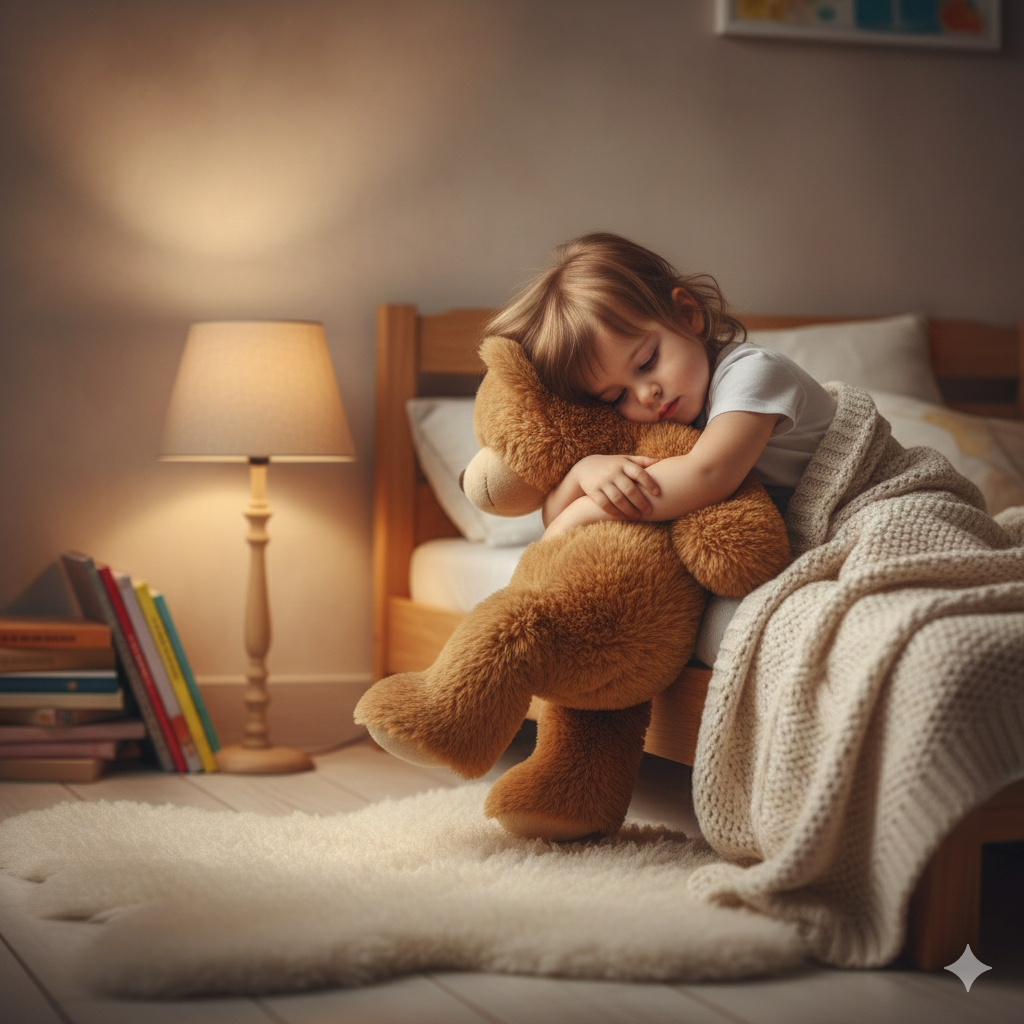
In this article, we explore how plush toys contribute to emotional development, why they are important, and how parents can maximize their benefits.
The Emotional Significance of Plush Toys
Plush toys often become a child’s first friend. They provide a sense of security and stability, especially in new or stressful situations such as starting school, moving homes, or traveling. Children form attachments to their soft companions, which helps them feel safe and supported.
Benefits of these emotional attachments include:
- Comfort during times of stress or anxiety
- Increased confidence in social settings
- Encouragement of empathy and care-giving behaviors
- Support for independent play and imagination
A child who feels emotionally secure is more likely to explore, learn, and interact positively with others.
How Plush Toys Encourage Imagination and Creativity
Plush toys are open-ended play objects. Unlike electronic toys with fixed functions, they allow children to create stories, scenarios, and personalities. Imaginative play helps children develop:
- Narrative thinking and storytelling skills
- Problem-solving abilities
- Role-playing skills, which are crucial for understanding social dynamics
- Creativity and artistic expression
For example, a child may pretend a stuffed rabbit is going on an adventure, teaching them planning, sequencing, and imaginative thinking. These skills later support reading comprehension, communication, and cognitive flexibility.
Plush Toys and Emotional Expression
Children often use plush toys to express feelings they cannot yet articulate. A stuffed animal may serve as a confidant, listener, or comforter. This form of expression is especially important for young children who are still learning to recognize and manage their emotions.
Ways plush toys help with emotional expression:
- Acting out fears or anxieties through play
- Rehearsing social interactions or problem-solving
- Expressing love, care, and nurturing behavior
By giving children a safe outlet to explore feelings, plush toys support emotional intelligence and self-awareness.
Building Empathy and Caregiving Skills
Caring for a plush toy—feeding it, tucking it in, or comforting it when “sad”—teaches children empathy. These experiences translate to real-world social skills, helping them understand others’ feelings and respond appropriately.
Developmental benefits include:
- Understanding emotions and perspectives
- Practicing nurturing behaviors
- Developing patience and responsibility
- Enhancing interpersonal skills
Children who engage in nurturing play are often more socially competent and emotionally intelligent.
Plush Toys as Transitional Objects
Psychologists often describe plush toys as “transitional objects.” These objects help children move from total dependence on parents to greater independence. They act as a source of comfort in unfamiliar situations, bridging the gap between home and the wider world.
Examples of transitional object benefits:
- Easing separation anxiety during school or daycare
- Providing emotional support during travel or medical visits
- Offering stability during stressful events, like a move or family change
By serving as a consistent, comforting presence, plush toys help children feel secure while developing independence.
Choosing the Right Plush Toy
Not all plush toys are equally beneficial. Parents should consider the following factors when selecting a toy:
1. Safety First
- Avoid small detachable parts like buttons for eyes in toys for young children.
- Choose non-toxic, hypoallergenic materials.
- Ensure seams and stitching are strong to prevent stuffing from escaping.
2. Softness and Comfort
- The toy should be soft, lightweight, and easy for the child to hold and cuddle.
3. Size Matters
- A toy should be proportional to the child’s size; large enough to hug comfortably, but not too heavy.
4. Emotional Appeal
- Let the child choose a toy they feel connected to. The emotional bond is more important than brand or popularity.
5. Encourage Variety
- A small collection of different plush toys allows children to explore multiple scenarios and relationships during play.
Integrating Plush Toys Into Daily Life
Parents can enhance the benefits of plush toys by encouraging thoughtful play:
- Use plush toys during storytelling or reading sessions.
- Encourage role-play scenarios that reflect real-life situations.
- Allow children to share their feelings through their toys.
- Rotate toys occasionally to spark new creativity.
Creating a routine where plush toys are part of imaginative and reflective play can strengthen emotional learning and support healthy development.
Benefits Across Ages
Infants and Toddlers:
- Provide comfort and security
- Encourage tactile exploration
- Help soothe anxiety during transitions
Preschoolers (Ages 3–5):
- Promote imaginative play
- Support social-emotional learning
- Teach empathy and nurturing behavior
School-Age Children (6–8+):
- Foster complex storytelling and creativity
- Serve as companions for independent play
- Reinforce emotional expression and problem-solving
Across all ages, plush toys act as reliable companions and developmental tools.
Final Thoughts
Plush toys are more than cuddly companions—they are tools for emotional growth, imagination, and social development. From comforting infants to inspiring imaginative play in older children, these soft toys provide essential benefits that support a child’s mental, emotional, and social well-being.
By choosing safe, age-appropriate plush toys and integrating them into daily play, parents can help their children build confidence, empathy, and creativity. The emotional connection formed with a plush toy can last well into childhood, providing comfort, companionship, and a foundation for lifelong learning.
Remember, the best toys are those that nurture both the mind and heart. Plush toys do exactly that, turning playtime into a meaningful, enriching experience for children everywhere.