In today’s digital age, children are surrounded by screens — tablets, smartphones, computers, and televisions. While technology offers educational benefits, physical toys continue to play a crucial role in a child’s growth. Screen-free play encourages creativity, motor skill development, problem-solving, and social interaction in ways digital devices cannot replicate.
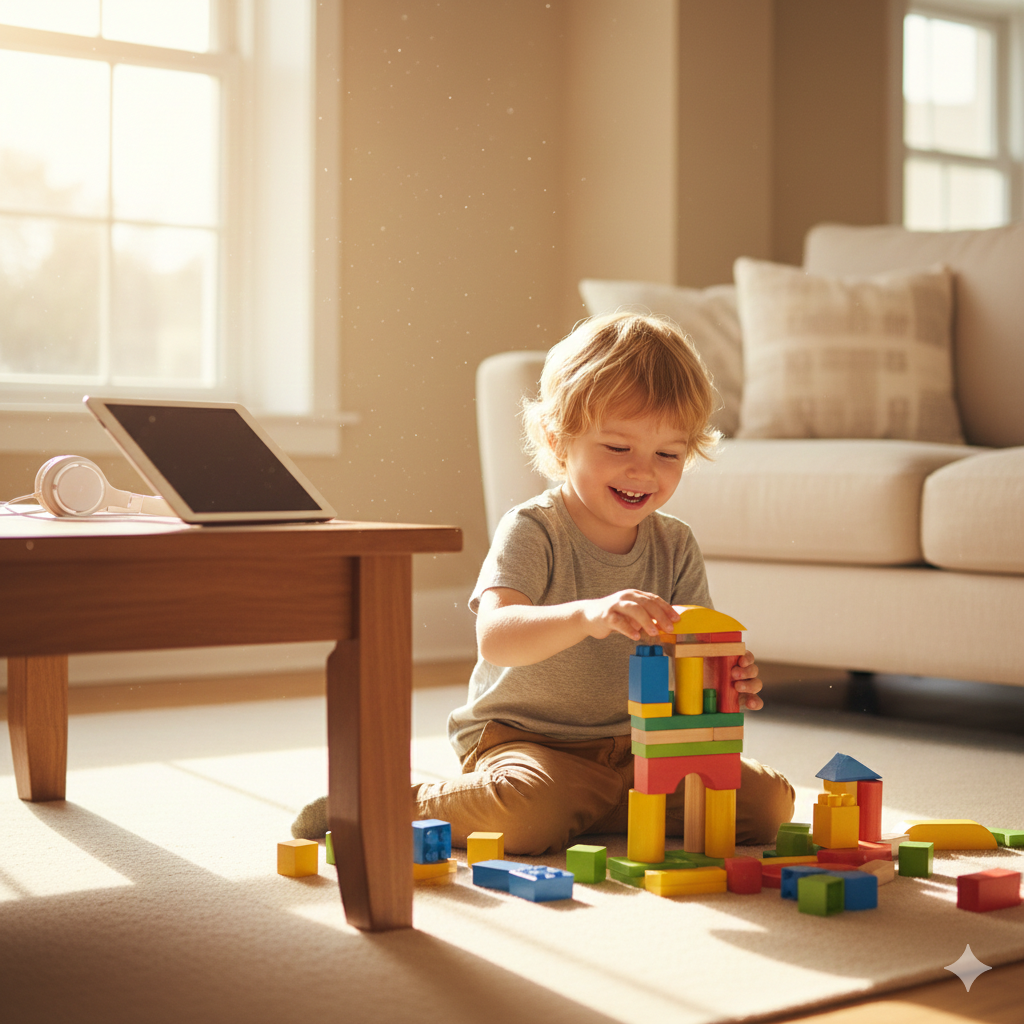
This article explores why physical toys remain essential, the benefits of screen-free play, and how parents can balance technology with hands-on experiences.
The Importance of Screen-Free Play
Screen-free play refers to activities that do not involve digital devices. Physical toys such as building blocks, puzzles, dolls, and sports equipment encourage children to engage actively with their environment.
Key benefits of screen-free play include:
- Enhanced Creativity and Imagination: Children invent stories, games, and worlds using physical toys.
- Improved Motor Skills: Handling objects, stacking, and manipulating toys develops both fine and gross motor skills.
- Social Skills Development: Playing with peers or caregivers fosters communication, cooperation, and empathy.
- Problem-Solving Abilities: Physical challenges, like puzzles or construction sets, teach persistence and reasoning.
- Emotional Regulation: Screen-free play encourages self-expression and coping with frustration in a safe, low-pressure setting.
Unlike passive screen activities, screen-free play requires active participation, which strengthens neural connections and overall development.
How Physical Toys Support Brain Development
Physical toys engage multiple areas of the brain simultaneously, creating a more holistic learning experience.
1. Cognitive Development
Toys that challenge problem-solving and critical thinking, such as puzzles, board games, and building blocks, stimulate memory, logic, and spatial reasoning.
2. Motor Skill Development
- Fine Motor Skills: Art kits, clay, or bead sets develop finger dexterity and hand-eye coordination.
- Gross Motor Skills: Balls, bikes, scooters, and climbing sets improve balance, coordination, and overall strength.
3. Creativity and Imagination
Pretend play with dolls, action figures, or role-play sets encourages storytelling, scenario-building, and original thinking, all of which are vital for cognitive and emotional growth.
Social and Emotional Benefits
Screen-free play promotes healthy social and emotional development. Children learn to:
- Share and take turns during group play
- Resolve conflicts and negotiate solutions
- Express emotions safely through imaginative play
- Build empathy by caring for dolls, plush toys, or peers in role-play
These interactions are essential for developing strong communication skills and emotional intelligence.
Examples of Screen-Free Toys
1. Building and Construction Toys
- LEGO sets, wooden blocks, magnetic tiles
- Teach problem-solving, spatial awareness, and patience
2. Art and Craft Supplies
- Crayons, paints, clay, and craft kits
- Encourage creativity, self-expression, and fine motor development
3. Role-Playing Toys
- Dollhouses, kitchen sets, doctor kits, and plush toys
- Support imagination, empathy, and social skills
4. Physical Activity Toys
- Balls, scooters, bicycles, jump ropes
- Promote gross motor development, coordination, and healthy exercise
5. Educational Games
- Board games, memory games, word puzzles
- Enhance reasoning, logic, and cognitive skills
Balancing Screen Time with Physical Play
While screens are inevitable in modern life, balance is key. The American Academy of Pediatrics recommends limiting recreational screen time for children and encouraging at least one hour of physical, unstructured play per day.
Tips for balancing screen and physical play:
- Set Clear Boundaries: Designate screen-free times during the day, such as after school or before bedtime.
- Encourage Active Play: Introduce engaging physical toys or outdoor activities that capture attention.
- Involve the Whole Family: Play board games, craft projects, or outdoor games together to strengthen family bonds.
- Create an Engaging Environment: Set up areas with accessible toys that encourage exploration and creativity.
- Use Technology Wisely: Combine educational digital tools with screen-free learning to enhance development.
The Long-Term Impact of Physical Toys
Children who regularly engage with physical toys gain benefits that extend into adulthood:
- Strong problem-solving and critical thinking skills
- Improved creativity and innovative thinking
- Enhanced social and communication skills
- Greater emotional resilience and self-confidence
- Healthy lifestyle habits through active play
Screen-free play provides the foundation for lifelong learning and personal development, complementing the digital skills children gain from technology.
Tips for Choosing Screen-Free Toys
When selecting physical toys, consider the following:
- Age Appropriateness: Ensure toys match the child’s developmental stage.
- Open-Ended Play: Choose toys that allow multiple ways to play, encouraging imagination.
- Durability and Safety: Avoid fragile or toxic materials and ensure small parts are safe for younger children.
- Balance of Skills: Combine toys that develop cognitive, motor, social, and creative skills.
- Child’s Interests: Align toys with the child’s hobbies and preferences for maximum engagement.
Final Thoughts
Even in a digital world, physical toys remain indispensable for child development. Screen-free play strengthens creativity, cognitive abilities, motor skills, social intelligence, and emotional resilience.
Parents can ensure their children reap the full benefits of play by providing a variety of safe, age-appropriate, and engaging physical toys. Balancing screen time with hands-on, active play helps children grow into well-rounded, confident, and imaginative individuals.
Ultimately, while screens offer convenience and educational content, nothing can replace the tangible, interactive, and developmental advantages of physical toys. Encouraging children to engage with these toys ensures that playtime remains a fun, enriching, and growth-oriented experience.