Toys are not just for entertainment—they are powerful tools that support learning, creativity, and skill development. The right learning toys can help children develop critical thinking, problem-solving abilities, motor skills, and social-emotional intelligence while keeping playtime fun and engaging.
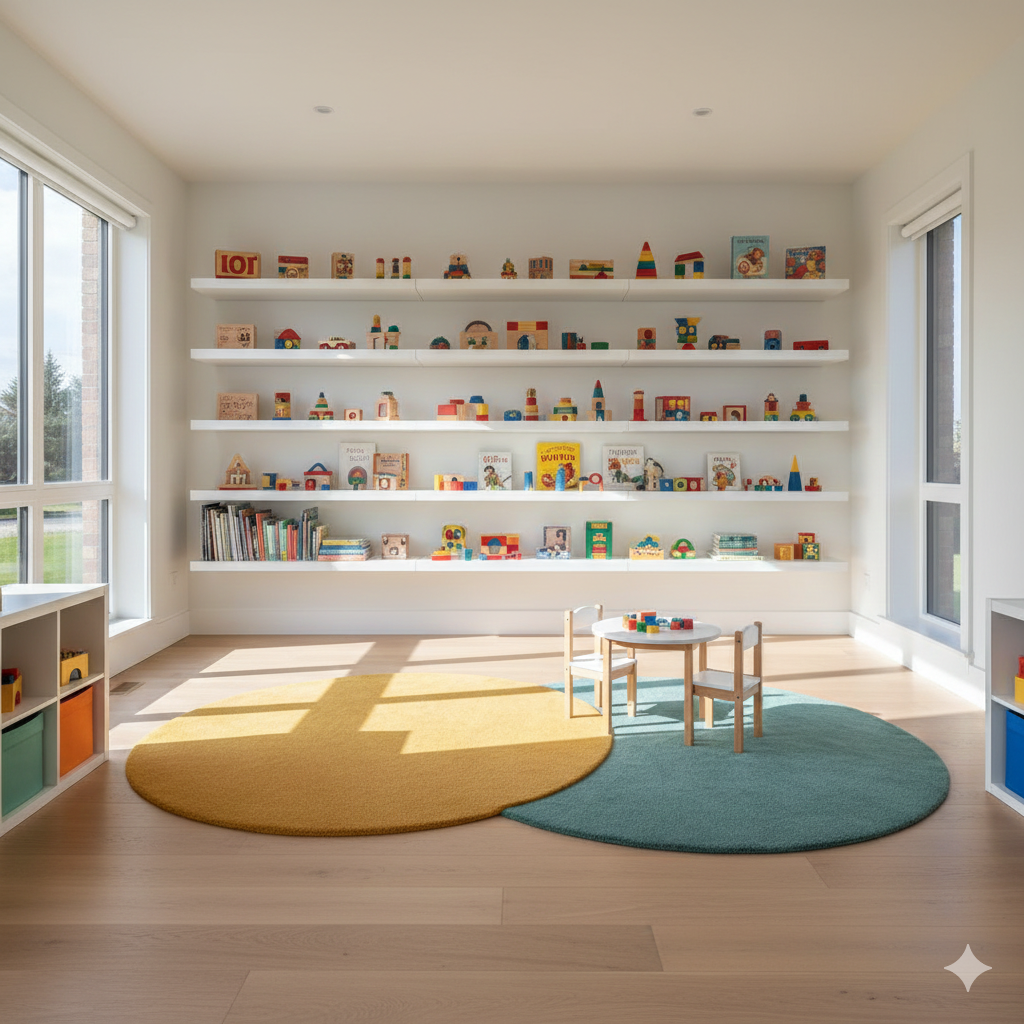
As children grow, their needs and abilities change, which makes selecting age-appropriate learning toys essential. In this article, we’ll explore the best learning toys for every age group, highlighting how they promote development and why they are worth investing in.
Why Learning Toys Matter
Learning toys stimulate curiosity and encourage children to actively engage with their environment. Unlike passive entertainment, these toys:
- Promote critical thinking and problem-solving
- Enhance fine and gross motor skills
- Support creativity and imagination
- Strengthen memory, concentration, and focus
- Foster social skills and emotional intelligence
By combining play and education, learning toys provide a holistic approach to child development.
Best Learning Toys for Toddlers (Ages 1–3)
Toddlers are exploring the world with their senses. Learning toys for this age group should focus on sensory stimulation, early motor skills, and simple problem-solving.
Recommended Toys:
- Stacking and Nesting Toys
- Develop hand-eye coordination and fine motor skills
- Introduce concepts like size, color, and order
- Shape Sorters
- Promote cognitive skills and spatial reasoning
- Encourage problem-solving as children figure out which shape fits where
- Interactive Board Books
- Introduce language, letters, and numbers
- Encourage tactile exploration with textures, flaps, or sounds
- Musical Instruments for Toddlers
- Small drums, shakers, and xylophones develop rhythm and auditory skills
Tips: Choose toys that are safe, non-toxic, and free of small parts to prevent choking hazards.
Best Learning Toys for Preschoolers (Ages 3–5)
Preschoolers are developing creativity, imagination, and early social skills. Toys that encourage role-play, problem-solving, and early learning concepts are ideal.
Recommended Toys:
- Building and Construction Sets
- LEGO Duplo, magnetic tiles, or wooden blocks
- Enhance fine motor skills, spatial reasoning, and creativity
- Pretend Play Kits
- Kitchens, doctor sets, or dollhouses
- Support social-emotional development and imaginative play
- Art and Craft Kits
- Paints, crayons, clay, and sticker sets
- Encourage self-expression, creativity, and hand-eye coordination
- Simple Educational Games
- Memory matching, counting, and alphabet games
- Teach problem-solving, numbers, letters, and logic
Tips: Look for open-ended toys that allow multiple ways to play and explore concepts.
Best Learning Toys for Early School-Age Children (Ages 6–8)
Children in this age range enjoy mastering new skills, engaging in more complex problem-solving, and exploring hobbies.
Recommended Toys:
- STEM Kits
- Robotics, coding, or science experiment kits
- Develop critical thinking, problem-solving, and engineering skills
- Puzzle Games and Brain Teasers
- Jigsaw puzzles, logic puzzles, or strategy board games
- Promote patience, reasoning, and spatial awareness
- Arts and Craft Projects
- Advanced craft kits, DIY projects, or painting sets
- Encourage creativity, focus, and self-expression
- Remote-Control Vehicles
- Beginner-friendly RC cars, boats, or drones
- Develop coordination, problem-solving, and planning skills
Tips: Choose toys that challenge their abilities without causing frustration, allowing success and confidence-building.
Best Learning Toys for Older Children (Ages 9+)
Older children benefit from toys that encourage independence, specialized skills, and complex problem-solving.
Recommended Toys:
- Advanced STEM and Robotics Kits
- Coding kits, electronics sets, and mechanical projects
- Promote innovation, critical thinking, and logical reasoning
- Creative Design Tools
- 3D pens, advanced LEGO sets, or craft kits for detailed projects
- Enhance creativity, planning, and technical skills
- Sports and Physical Challenge Toys
- Skateboards, bikes, rollerblades, and team sports equipment
- Encourage gross motor skills, coordination, and resilience
- Board Games and Strategy Games
- Chess, strategy board games, or educational card games
- Improve planning, logic, and social interaction skills
Tips: Focus on toys that match the child’s interests and provide challenges appropriate to their skill level.
Features to Look for in Learning Toys
When selecting learning toys, consider the following:
- Safety and Durability
- Non-toxic materials, sturdy construction, and age-appropriate parts
- Educational Value
- Toys should support skill development and cognitive growth
- Open-Ended Play
- Toys that allow multiple ways to play stimulate creativity and imagination
- Adaptability
- Toys that grow with the child or can be used in different ways maximize long-term value
- Engagement Factor
- Toys that capture attention and maintain interest encourage extended learning
Balancing Fun and Learning
The best learning toys combine fun with development. Children are more likely to absorb new skills and concepts when they enjoy the activity. Parents can enhance the impact of learning toys by:
- Rotating toys to keep playtime fresh
- Participating in play to guide learning and reinforce concepts
- Encouraging both independent and group play
- Combining physical, cognitive, and creative toys for holistic growth
Final Thoughts
Learning toys are essential tools for child development. From sensory exploration in toddlers to advanced STEM projects for older children, the right toys stimulate the mind, enhance skills, and foster creativity and social-emotional growth.
By selecting age-appropriate, safe, and engaging learning toys, parents can provide children with opportunities to learn, explore, and grow through play. A thoughtful toy can inspire curiosity, confidence, and a love of learning that lasts a lifetime.
Investing in learning toys is an investment in your child’s future—helping them build the skills, imagination, and resilience they need to thrive in every aspect of life.