In today’s fast-changing world, children need more than just entertainment — they need opportunities to develop creativity, critical thinking, and problem-solving skills from an early age. Educational toys play a powerful role in supporting a child’s intellectual and emotional development while keeping playtime fun and engaging.
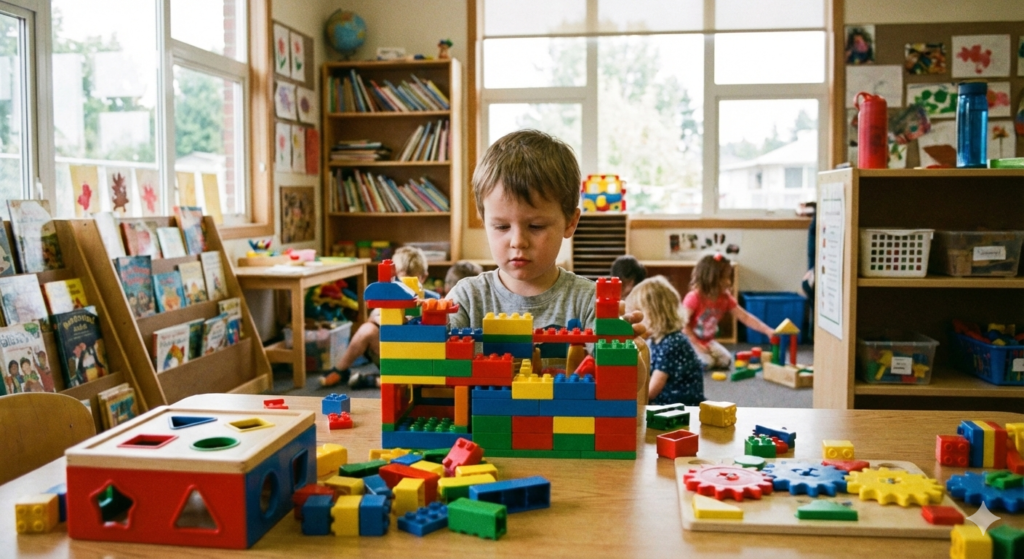
The best educational toys are those that encourage curiosity, imagination, and hands-on learning. In this guide, we’ll explore how educational toys benefit children and highlight the types of toys that truly boost creativity and learning.
Why Educational Toys Matter
Children learn best through play. When a toy challenges a child’s thinking or encourages imagination, it transforms ordinary playtime into a valuable learning experience.
Educational toys help children:
- Improve problem-solving skills
- Strengthen memory and concentration
- Develop fine and gross motor skills
- Enhance creativity and imagination
- Build confidence through achievement
- Encourage independent thinking
Unlike passive entertainment, interactive toys require children to participate actively, which strengthens brain development.
1. Building Blocks and Construction Sets
Building toys are among the most powerful tools for learning. From simple stacking blocks to more advanced construction kits, these toys encourage children to design, experiment, and solve problems.
Benefits:
- Develop spatial awareness
- Improve hand-eye coordination
- Encourage logical thinking
- Strengthen patience and persistence
When children build towers, bridges, or imaginative structures, they are learning about balance, symmetry, and cause-and-effect relationships — all without even realizing it.
2. STEM-Based Toys
STEM (Science, Technology, Engineering, and Mathematics) toys introduce children to foundational skills in a fun and approachable way.
Examples include:
- Simple robotics kits
- Science experiment sets
- Coding games for kids
- Engineering building systems
Benefits:
- Develop analytical thinking
- Encourage experimentation
- Promote curiosity about how things work
- Build early technical skills
STEM toys are especially valuable because they teach children how to think rather than what to think.
3. Creative Art and Craft Kits
Art-based toys stimulate imagination and emotional expression. Drawing, painting, sculpting, and crafting allow children to explore their creative potential freely.
Benefits:
- Enhance creativity
- Improve fine motor skills
- Encourage self-expression
- Strengthen focus and attention
Creative play also supports emotional development. When children create something from their imagination, they build confidence and pride in their abilities.
4. Puzzle Games and Brain Teasers
Puzzles are excellent tools for strengthening problem-solving abilities and logical reasoning.
Examples include:
- Jigsaw puzzles
- Matching games
- Memory games
- Strategy-based board games
Benefits:
- Improve concentration
- Strengthen memory
- Develop pattern recognition
- Encourage perseverance
Completing a puzzle teaches children that challenges can be solved with patience and effort — an important life skill.
5. Role-Playing and Pretend Play Toys
Imaginative play is critical for social and emotional growth. Toys such as play kitchens, tool sets, doctor kits, and dollhouses allow children to explore real-world roles.
Benefits:
- Enhance communication skills
- Develop empathy
- Improve storytelling abilities
- Encourage creative thinking
Pretend play helps children understand the world around them while strengthening their confidence in social situations.
6. Educational Remote-Control and Interactive Toys
Interactive toys such as beginner-friendly remote-control cars or programmable robots combine entertainment with skill development.
Benefits:
- Improve coordination
- Strengthen reaction time
- Develop focus and control
- Encourage independent exploration
These toys are especially beneficial for children who enjoy hands-on, active play.
Choosing the Right Educational Toy
Not every toy labeled “educational” truly delivers learning value. When selecting toys, consider the following:
1. Age Appropriateness
Choose toys that match your child’s developmental stage. Toys that are too advanced may cause frustration, while overly simple toys may lead to boredom.
2. Open-Ended Play
The best educational toys allow multiple ways to play. Open-ended toys encourage creativity rather than limiting children to one specific outcome.
3. Safety and Quality
Always check materials, small parts, and durability. High-quality toys provide a safer and longer-lasting experience.
4. Child’s Interests
A toy is most educational when a child genuinely enjoys using it. Align toy choices with your child’s personality and preferences.
Balancing Fun and Learning
Children should never feel pressured while playing. The goal of educational toys is to make learning natural and enjoyable.
Try to balance:
- Structured learning toys
- Free creative play
- Indoor and outdoor activities
- Independent and group play
When children enjoy the process, they absorb information more effectively.
Long-Term Benefits of Educational Play
The impact of educational toys goes far beyond childhood. Skills developed through meaningful play often translate into lifelong abilities, such as:
- Critical thinking
- Creativity
- Problem-solving
- Adaptability
- Emotional intelligence
By investing in educational toys, parents support not only academic success but also personal growth.
Final Thoughts
Educational toys are powerful tools that combine imagination with learning. From building blocks and STEM kits to puzzles and creative play sets, the right toys help children grow intellectually, emotionally, and socially.
The key is choosing toys that inspire curiosity, encourage hands-on exploration, and match your child’s developmental stage. When learning feels like play, children thrive naturally.
By making thoughtful choices, you can transform playtime into a foundation for lifelong learning and creativity.