How to Choose the Right Toy for Your Child’s Age
Choosing the right toy for your child is more important than many parents realize. Toys are not just objects for entertainment — they play a key role in cognitive development, emotional growth, motor skills improvement, and creativity. Selecting age-appropriate toys ensures your child stays safe while getting the maximum developmental benefits from playtime.
In this guide, we will help you understand how to choose the perfect toy based on your child’s age and developmental stage.
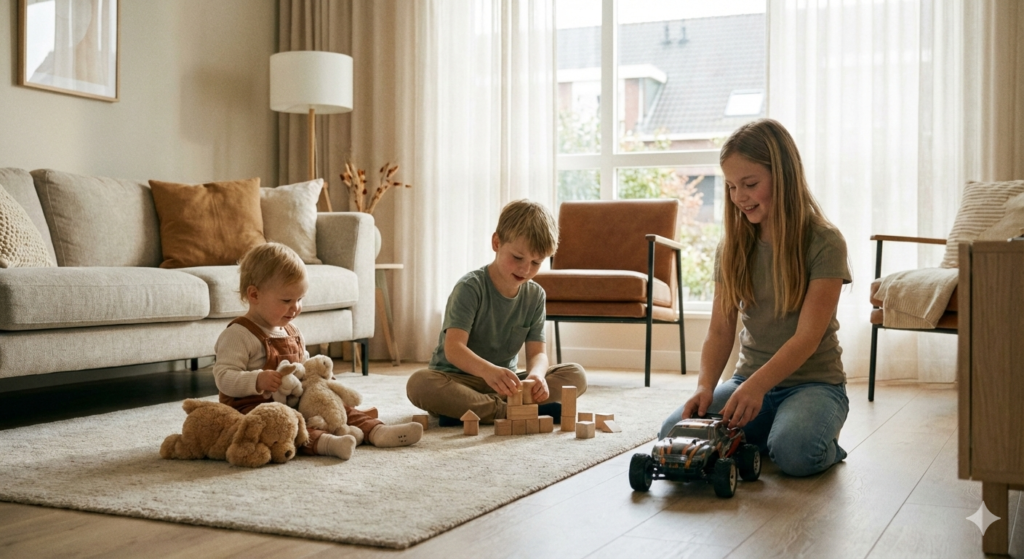
Why Age-Appropriate Toys Matter
Children develop rapidly, especially during their early years. A toy that is perfect for a 7-year-old may be unsafe or frustrating for a 3-year-old.
Age-appropriate toys:
- Match your child’s cognitive abilities
- Support emotional and social development
- Improve motor skills
- Reduce safety risks
- Prevent boredom or frustration
When toys are too advanced, children may lose interest. When they are too simple, they may not provide enough stimulation.
Toys for Toddlers (Ages 1–3)
At this stage, children are curious explorers. They learn by touching, stacking, throwing, and experimenting.
What to Look For:
- Large pieces (no small parts)
- Bright colors
- Soft materials
- Simple interactive features
Recommended Types:
- Plush toys
- Stacking blocks
- Shape sorters
- Musical toys
- Soft educational books
These toys help toddlers develop:
- Fine motor skills
- Hand-eye coordination
- Basic problem-solving skills
- Emotional comfort
Safety is extremely important at this stage. Always check for non-toxic materials and avoid small detachable parts.
Toys for Preschoolers (Ages 3–5)
Preschoolers begin to develop imagination and role-playing abilities. They enjoy storytelling, building, and pretending.
What to Look For:
- Creative play sets
- Basic construction toys
- Beginner puzzles
- Art supplies
Recommended Types:
- Building blocks
- Dollhouses or action figures
- Simple remote-control toys
- Educational games
- Play kitchens or tool sets
These toys help children improve:
- Creativity
- Social interaction skills
- Early math and language abilities
- Coordination and balance
This is a great age to introduce toys that challenge their thinking while still being fun and engaging.
Toys for Early School Age (Ages 6–8)
Children in this age group are more independent and enjoy mastering new skills. They start understanding rules, competition, and teamwork.
What to Look For:
- Problem-solving games
- More advanced building kits
- Sports-related toys
- STEM-based toys
Recommended Types:
- RC cars
- Science kits
- Board games
- Craft sets
- Outdoor play equipment
Benefits include:
- Strategic thinking
- Logical reasoning
- Improved motor control
- Teamwork and cooperation
Interactive toys that require focus and coordination are ideal at this stage.
Toys for Older Kids (Ages 9+)
Older children look for challenge and excitement. They enjoy hobbies, skill-based toys, and creative independence.
What to Look For:
- Advanced building systems
- Hobby-based toys
- Competitive games
- Outdoor action toys
Recommended Types:
- Advanced RC vehicles
- Robotics kits
- Complex puzzles
- Sports gear
- Creative design kits
These toys help develop:
- Critical thinking
- Patience and persistence
- Advanced coordination
- Personal interests and passions
Allow children at this stage to participate in choosing their toys to match their personal interests.
Safety Tips Every Parent Should Follow
Regardless of age, always:
- Check recommended age labels
- Avoid small parts for young children
- Inspect toys regularly for damage
- Supervise playtime when necessary
- Choose high-quality materials
Safe play ensures long-term enjoyment and prevents accidents.
Signs a Toy Is Not Right for Your Child
Sometimes parents choose toys that seem exciting but are not suitable. Warning signs include:
- Your child gets frustrated quickly
- The toy is too easy and becomes boring
- It requires skills your child hasn’t developed yet
- Safety risks appear during use
If you notice these signs, consider adjusting your choice to better match your child’s stage.
Balancing Fun and Learning
The best toys combine entertainment and education. Children learn best when they are enjoying themselves. A toy does not need to be labeled “educational” to provide value — creativity, imagination, and physical activity are all forms of learning.
Encourage a mix of:
- Indoor and outdoor play
- Independent and group activities
- Creative and structured games
This balance supports well-rounded development.
Final Thoughts
Choosing the right toy for your child’s age is about understanding their current abilities, interests, and developmental needs. Age-appropriate toys build confidence, strengthen skills, and create meaningful play experiences.
When selecting a toy, always prioritize safety, quality, and engagement. The right toy doesn’t just entertain — it inspires growth, learning, and lasting memories.
By making thoughtful choices, you ensure that playtime becomes a powerful part of your child’s development journey.